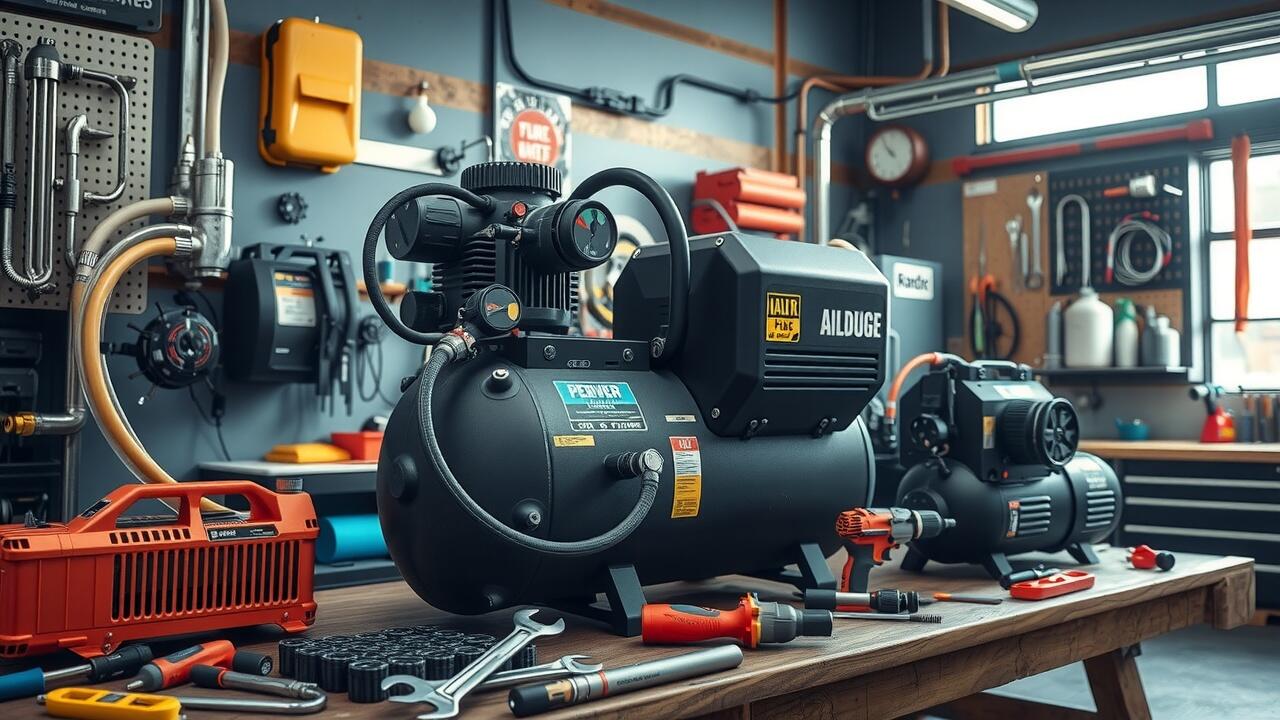
Key Takeaways
- Comprehending air compression mechanisms
- Varieties of air compressors available
- Elements of air compression systems
- Efficiency of air compressor performance
- Setting up air compressor systems correctly
- Choosing the appropriate air compressor
Understanding Air Compressor Systems
Air compressor systems are essential tools in various industries, providing the necessary power and efficiency for numerous applications. These systems encompass a variety of air compressors, each designed to meet specific needs. For instance, silent air compressors cater to environments where noise reduction is paramount, making them ideal for workshops located in residential areas. Understanding the different types of compressors helps in selecting the right equipment for specific tasks, ensuring optimal performance and reliability. Efficient air compressor systems not only enhance productivity but also contribute to energy savings, emphasising the importance of choosing high-quality compressors for long-term success.
Definition of Air Compressors
Air compressor systems are essential machines that convert power into potential energy stored as compressed air. This process involves drawing in air and reducing its volume, which increases its pressure. A variety of compressors can achieve this, including rotary screw compressors that are known for their efficiency and reliability. Silent air compressors are specifically designed to operate at lower noise levels while providing consistent airflow, making them ideal for environments where noise reduction is a priority.
The functionality of air compressor systems varies depending on the type of compressor used. Screw compressors are popular in industrial settings due to their ability to produce a steady stream of compressed air while requiring minimal maintenance. The quality of the airflow and the efficiency with which the compressor operates greatly influence the performance of machinery that relies on compressed air. Understanding these elements helps in selecting the appropriate air compressor for specific applications.
Variations of Compressors
Air compressor systems come in a range of variations, each designed to suit specific applications and requirements. Positive displacement compressors, for instance, utilise a mechanism that traps a fixed volume of air and compresses it. This category includes rotary screw and reciprocating compressors, which are commonly used in settings such as boiler rooms for consistent pressure output. These systems often require robust air filtration to maintain efficient operation and prolong equipment life.
Another variation includes dynamic compressors, which operate on different principles compared to their positive displacement counterparts. These compressors rely on high-speed rotating elements to compress air, making them suitable for applications requiring large volumes of compressed air, such as in air bags for vehicle safety systems. Dynamic air compressor systems can offer significant advantages in terms of efficiency and speed, crucial in environments that demand continuous operation and where traditional boiler systems may struggle.
Types of Air Compressors
Air compressor systems are essential for various applications, particularly in industrial settings like factories where reliable power supply and consistent pressure are paramount. Different types of compressors exist to cater to these needs, ranging from positive displacement models to dynamic compressors. For instance, some air compressors are equipped with air bags for enhanced performance, while others feature tanks designed to store compressed air efficiently. Selecting the right compressor type can significantly impact operational efficiency and maintenance costs, ensuring that the required pressure levels are maintained effectively for various tasks.
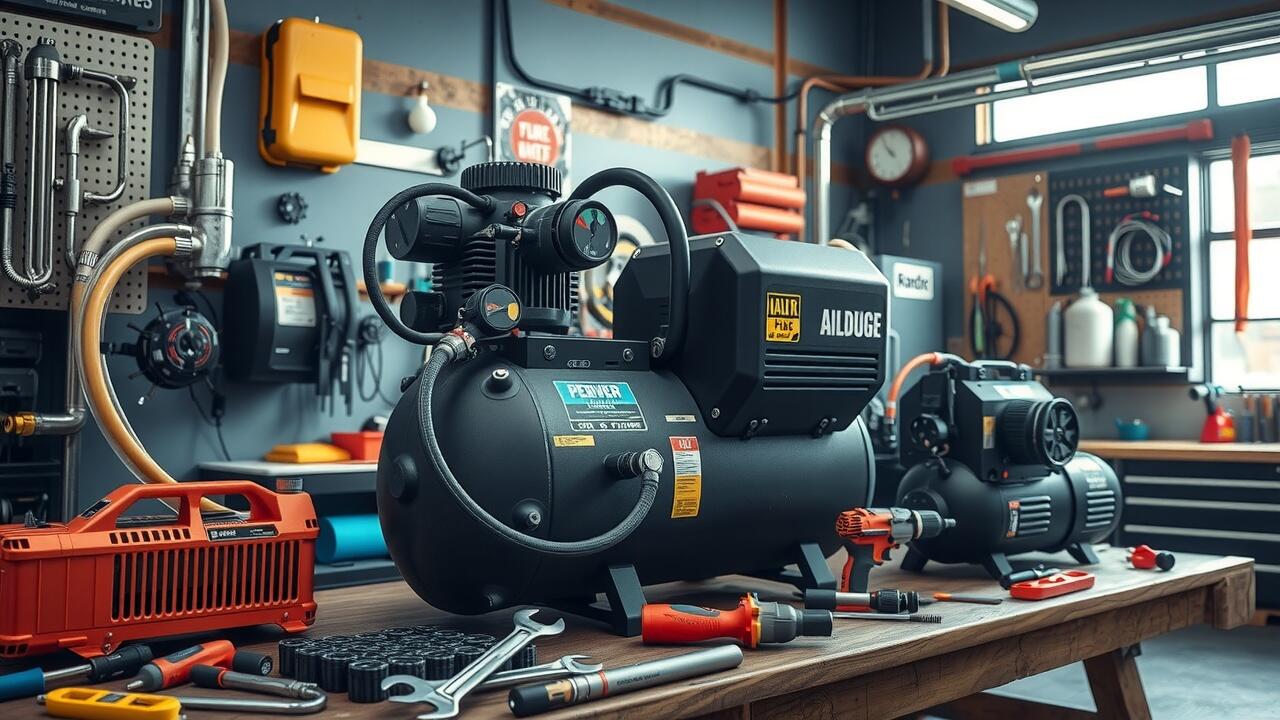
Overview of Compressor Type Power
Air compressor systems can be powered by various sources, with electric air compressors being among the most common. These systems provide consistent and reliable energy, making them ideal for both residential and industrial applications. Understanding the different power types is crucial for evaluating air compressor performance. An air compressor guide can aid users in selecting the right model based on their specific needs and power availability.
Several air compressor models are available, each designed to cater to varying levels of power requirements. Some may use petrol or diesel engines, which are better suited for remote locations without electricity, while others rely solely on electricity for efficiency and lower running costs. Choosing the right power type impacts overall system performance and longevity. The right selection ensures optimal operation and enhances the reliability of air compressor systems in various environments.
Characteristics of Industrial Air Compressors
Industrial air compressors are designed with robust features to meet the demands of heavy-duty applications. These air compressor systems often include both portable air compressors for mobility and stationary air compressors for fixed installations. Choosing the right air compressor depends on the specific requirements of the task at hand, with options ranging from small air compressors for lightweight jobs to larger units capable of powering multiple tools simultaneously.
Efficiency and reliability define the characteristics of industrial air compressors. They are equipped with advanced technologies to ensure optimal performance under continuous use. The perfect air compressor for industrial settings often features high-capacity tanks and quick recovery times. Investing in a high-quality unit not only boosts productivity but also provides long-term savings in maintenance and energy consumption.
Features of Silent Air Compressors
Silent air compressors are designed specifically to operate at lower noise levels compared to traditional models. This feature makes them ideal for indoor use where noise pollution can be a concern. Many silent air compressors are compact and can be easily integrated into air compressor systems without disrupting the surrounding environment. Affordable air compressors like these often come with various air compressor accessories that enhance their functionality, making them suitable for both professional and DIY applications.
Quiet air compressors, such as the Aeropro air compressors, are engineered with advanced technology to minimise sound production. These machines typically utilise a drive air compressor system that optimises performance while keeping noise to a minimum. Users appreciate the efficiency and peace of mind that comes with using a silent air compressor, particularly in settings where concentration is crucial. Investing in a quiet model significantly improves the user experience and ensures tasks are completed without the distraction of excessive noise.
Components of Air Compressor Systems
Air compressor systems consist of several essential parts that work together to deliver reliable performance. Key components include motors, tanks, and pressure regulators, each playing a critical role in the operation of both industrial compressors and lighter models like petrol air compressors and cordless air compressors. Ironair air compressors exemplify high-quality design, ensuring efficient output and durability. Selecting the right compressor solution involves understanding these components, as they directly impact the system's overall efficiency and functionality. With proper insight into these elements, users can optimise their air compressor systems for various applications, ensuring optimal performance and longevity.
Essential Air Compressor Parts
Air compressor systems comprise several essential components that ensure efficient operation across various applications. Traditional compressors typically include key parts such as the motor, compressor pump, air receiver tank, and pressure switch. Multi-compressor installations often enhance performance and reliability for large-scale operations. Belt compressors are particularly popular in these setups due to their ability to transmit power effectively, allowing for consistent air supply, even under heavy demand.
Portable diesel compressors offer flexibility and mobility, making them ideal for job sites where electrical power may not be readily available. These setups often consist of compact components designed for easy transport without sacrificing efficiency. Understanding these essential parts facilitates informed decisions regarding the most suitable air compressor systems for any specific requirement. Including the right components ensures optimal performance and longevity for both industrial and portable applications.
Role of Compressor Machines
Compressor machines play a crucial role in the functionality of air compressor systems, serving diverse applications across various industries. They are responsible for converting power into potential energy stored in compressed air, which is essential for operating tools and equipment. The choice of compressor type can significantly impact efficiency, with options such as direct drive compressors and oil-free compressor ranges offering unique advantages. Silent compressor models provide a quieter operation, making them ideal for environments where noise reduction is important.
Understanding the specific role of these machines is vital for optimising compressed air systems. Selecting the right compressor can enhance productivity and efficiency while meeting noise regulations in sensitive environments. Quiet compressors, including silent compressor models, are highly sought after for workshops and manufacturing facilities, where a calm atmosphere is a priority. The effectiveness of air compressor systems hinges not only on the machine type but also on the maintenance and operation practices put in place.
Benefits of High-Quality Air Compressors
High-quality air compressor systems ensure optimal performance and reliability in various applications. These systems typically utilise advanced technology, providing enhanced efficiency that translates to lower operational costs. A quiet screw compressor, for instance, operates with minimal noise levels, making it ideal for environments where sound control is essential. The integration of superior compressor oils can also improve the longevity and efficiency of the air equipment, resulting in reduced maintenance needs.
Robust air systems contribute to superior productivity by delivering consistent air pressure and volume. This reliability is crucial in industrial settings where operations depend on seamless performance. High-quality compressors also offer better energy utilisation, which reduces the overall carbon footprint of air systems. Investing in premium air compressor systems ultimately leads to long-term savings and improved operational capacity across various applications.
Air Compressor Performance
Evaluating the efficiency of air compressor systems involves understanding various factors that affect their performance. Compressed air solutions require meticulous assessment to ensure that air tools operate at optimal levels. Proper air system installation is crucial to maximising the capability of high-efficiency air solutions. As technologies advance, volt air systems have emerged, providing enhanced energy savings and reduced operational costs. The interplay between these elements determines the overall effectiveness of air compressor systems in meeting industrial demands.
Measuring Efficiency in Compressors
Efficiency in air compressor systems is crucial for optimising performance and reducing operational costs. Accurate measurement of efficiency involves assessing the air supply generated against the energy consumed, allowing for tailored compressed air solutions that suit specific applications. The configuration of the air installation, including the phase air outlet and the type of belt air drive, can significantly influence the overall performance and energy usage of the system.
Implementing efficient air compressor systems requires a thorough understanding of the key factors affecting their performance. Regular maintenance and proper sizing are essential for maximising output while minimising energy expenditure. By evaluating these components, businesses can ensure they are utilising the most effective and reliable air compressor systems available.
Factors Affecting Compressor Performance
The performance of air compressor systems can be influenced by various factors, including the type of drive mechanism used. Direct drive air compressors tend to offer better efficiency compared to belt-driven models, which experience power losses during operation. This efficiency translates to enhanced air quality and consistent air support for various applications. Choosing the right air compressor system is crucial for optimal performance, especially when dealing with single phase air requirements in smaller settings where space and power supply may be limited.
Another significant aspect impacting compressor performance is the environmental conditions in which the equipment operates. Factors such as temperature, humidity, and altitude can alter the efficiency of air compressor systems. High temperatures may lead to overheating, while increased humidity can affect air quality, leading to moisture issues in the compressed air. Ensuring the right air compressor for specific environmental conditions can mitigate these performance hurdles, ultimately enhancing the longevity and reliability of the compressor system.
Installing Air Compressor Systems
Proper installation of air compressor systems is crucial for maximising efficiency and performance. Aeropro systems specifically emphasize the importance of a well-planned setup to ensure the optimal operation of these machines. During the compression process, air must flow freely and be treated effectively to prevent contamination and to maintain the longevity of the equipment. Attention to airflow, proper piping, and efficient air treatment methods are vital components of a successful installation. Ensuring that all parts are correctly aligned and functioning will not only enhance the performance of air compressor systems but also support reliable operation in various industrial applications.
Guidelines for Compressor Installations
Proper installation of air compressor systems is crucial for optimal performance and safety. Begin by selecting a suitable location that allows for adequate ventilation and accessibility for maintenance. Ensure that the ground can support the weight of the compressor and associated equipment, such as tanks and air jacks. Position the air compressor systems away from any potential sources of contamination or moisture to prevent damage and operational issues.
Regular maintenance checks play an essential role in the longevity of the compressor systems. Ensure all components, including electrical connections and piping, are correctly installed and secured. Use high-quality workshop equipment to facilitate the installation process. Proper insulation may also be necessary to reduce noise levels, especially for models like the airmate designed for quieter operation. Attention to detail during installation can lead to enhanced performance and efficiency.
Best Practices for Industrial Compressors
Effective operation of air compressor systems in industrial settings begins with selecting appropriate motor power to match the demands of high-pressure applications. This ensures that the compressor can handle the required workload without putting undue strain on the equipment. Utilising a well-designed controller can optimise performance, allowing for seamless adjustments based on fluctuating pressures and air demands. By choosing the right combination of motor and controller, facilities can enhance efficiency while minimising downtime.
Regular maintenance is crucial for prolonging the lifespan of air compressor systems and ensuring reliability in industrial applications. Scheduled inspections should include checks on components such as filters and valves to prevent air leaks and reduce industrial electricity usage. Implementing best practices for maintenance not only boosts performance but also helps in identifying potential issues before they escalate into costly repairs. An efficient air compressor system contributes significantly to workflow continuity and overall operational efficiency.
Selecting the Right Air Compressor
Choosing the right air compressor involves careful consideration of various factors essential for optimal performance. Assessing the specific requirements of air compressor systems is crucial, as this will determine the necessary specifications. The compressor should match the required cfm (cubic feet per minute) based on the intended use, whether for powering tools or running motors. Evaluating the bar power supply ensures that the system can maintain pressure efficiently. Incorporating a dryer can further enhance the overall effectiveness of the compressor, especially in environments where moisture control is paramount. By acting as an optimizer for your operations, selecting the appropriate air compressor not only boosts productivity but also extends equipment lifespan.
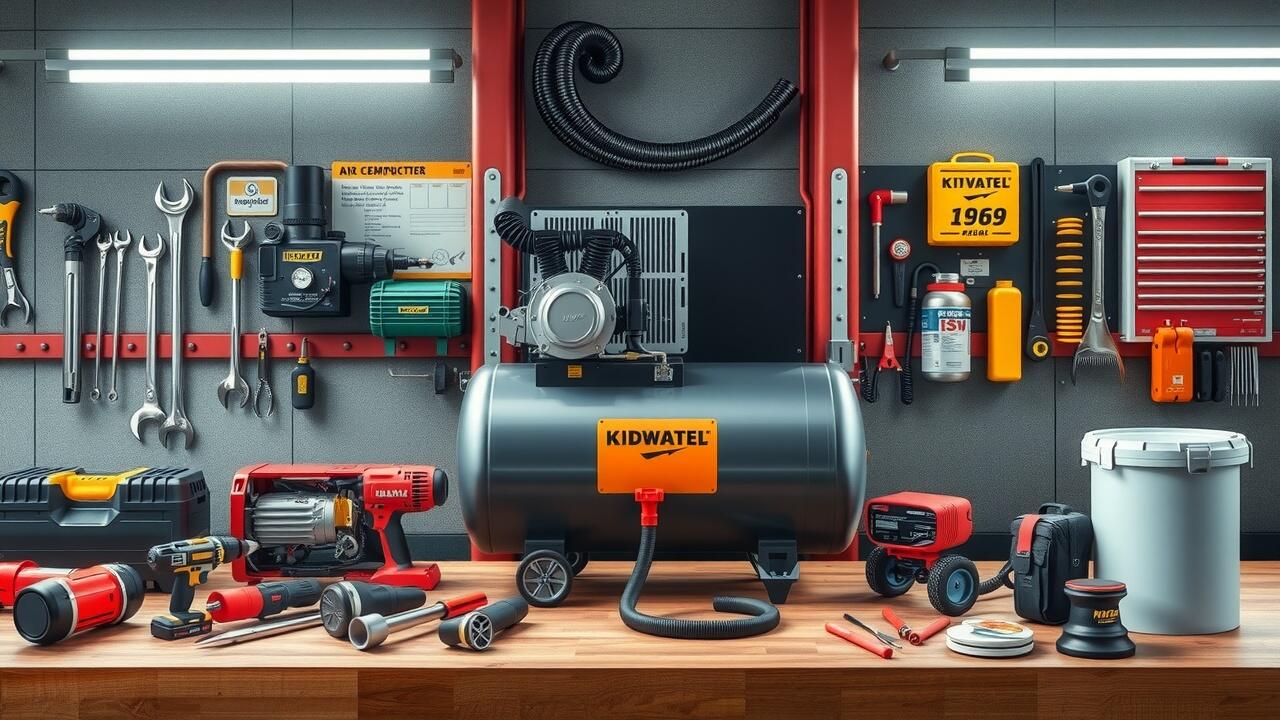
Assessing the Need for a Quiet Air Compressor
Quiet air compressors have become increasingly important in environments where noise reduction is a priority. Many air compressor systems now feature variable speed technology, which helps to regulate motor operation and thereby minimise noise levels. The use of twin tanks in these systems can also contribute to a more consistent and quieter performance, offering high pressure without the disruptive sound often associated with traditional models.
Assessing the need for a quiet air compressor involves considering the operational environment and specific application requirements. For instance, workplaces such as laboratories, studios, and medical facilities often necessitate air compressor systems with low noise output. The integration of advanced noise-reduction features in modern compressors not only ensures compliance with local regulations but also enhances the comfort of employees and clients alike.
Exploring Possible Air Compressor Options
Selecting the right air compressor involves evaluating various air compressor systems available in the market. Options range from portable models to more extensive industrial units. Tailored compressed air solutions are essential for ensuring efficient air supply across different applications. Understanding the specific demands of the task can guide users towards the most suitable air installation. Bills and air compressors equipped with a phase air outlet can enhance efficiency while meeting the compressed air needs of diverse industries.
Belt air compressors represent another viable choice for those seeking reliable performance. These systems provide consistent air pressure and are often simpler to maintain compared to direct drive models. The right selection ultimately hinges on specific requirements, including the volume of air needed and the space available for installation. By assessing various options, businesses can secure optimal air compressor systems that align with their operational goals and enhance productivity.
Conclusion
Air compressor systems play a vital role in various industries, providing essential compressed air for an array of applications. Selecting the appropriate type, such as a silent air compressor or a rotary screw compressor, can significantly impact the efficiency and effectiveness of operations. Understanding the nuances of airflow, energy consumption, and performance metrics is crucial, especially for those considering screw compressors. Optimal implementation of air compressor systems not only enhances productivity but also ensures a quieter working environment, aligning with the needs of modern industry. The careful assessment of options and features available in the market can lead to improved outcomes and reduced operational costs.
FAQS
What is an air compressor system?
An air compressor system is a setup that uses machinery to convert power into potential energy stored in pressurised air. These systems are commonly used in various applications, such as powering tools, inflating tyres, and in industrial processes.
What are the different types of air compressors?
The main types of air compressors include reciprocating compressors, rotary screw compressors, centrifugal compressors, and scroll compressors. Each type has its own advantages and is suited for specific applications.
How do I choose the right air compressor for my needs?
To choose the right air compressor, consider factors such as the required airflow (measured in CFM), pressure requirements (measured in PSI), the type of tools or machines you'll be using, and whether you need a portable or stationary unit.
What are the benefits of using a high-quality air compressor?
High-quality air compressors are typically more efficient, reliable, and durable. They often require less maintenance, provide consistent performance, and can save you money on energy costs in the long run.
What factors can affect the performance of an air compressor?
Factors affecting compressor performance include the ambient temperature, humidity levels, the quality of the air being compressed, maintenance practices, and the load being placed on the compressor during operation. Regular maintenance and monitoring can help ensure optimal performance.
What are the benefits of using a screw air compressor in a factory setting?
A screw air compressor is ideal for factory environments due to its ability to efficiently supply air compressors models that meet the demands of high-pressure applications. These systems often provide solutions for high-efficiency air generation, making them a preferred choice among industrial operators.
What high-efficiency air solutions are available for high pressure applications in industrial settings?
For industrial settings that require high pressure applications, there are several high-efficiency air solutions available. These include advanced rotary screw compressors and multi-stage compressors, which are designed to deliver consistent and reliable performance while maintaining energy efficiency. When selecting a system, it's essential to consider the specific pressure requirements and the potential for energy savings to optimise operational effectiveness.
What are some high-efficiency air solutions that can enhance performance in industrial environments?
Several high-efficiency air solutions are designed to enhance performance in industrial environments, including advanced screw compressors, variable speed drive units, and energy-efficient pneumatic systems. These solutions provide significant energy savings, reduce operational costs, and improve overall system reliability.
What high-efficiency air solutions can be implemented to improve productivity in manufacturing processes?
Implementing high-efficiency air solutions can significantly enhance productivity in manufacturing processes. These solutions not only optimise energy consumption but also provide consistent air pressure, which is critical for various applications across different sectors. By integrating advanced technologies and equipment, manufacturers can achieve greater efficiency and reliability in their operations.
What are some cost-effective solutions for achieving high-efficiency air in industrial settings?
Implementing cost-effective solutions for achieving high-efficiency air can significantly improve operational efficiency in industrial settings. Options may include optimising existing compressor systems, regularly maintaining equipment, and investing in advanced technologies that provide high-efficiency air solutions for various applications.
What types of air compressor systems are considered effective solutions for achieving high-efficiency air in various applications?
There are several air compressor systems that are effective solutions for achieving high-efficiency air, including rotary screw compressors, reciprocating compressors, and variable speed drive compressors. These systems are designed to provide consistent air pressure and volume while optimising energy consumption, making them ideal for a wide range of applications in industries that require high-efficiency air solutions.
What innovative solutions can be employed for achieving high-efficiency air in diverse industrial environments?
There are several innovative solutions for high-efficiency air that can be employed in industrial environments, such as variable speed drive air compressors and energy recovery systems, which help optimise energy use while maintaining high-performance standards. These solutions significantly enhance overall productivity and operational efficiency.
What new solutions can be adopted for achieving high-efficiency air in modern industrial applications?
Implementing innovative solutions in industrial applications can lead to significant improvements in high-efficiency air management, enhancing operational effectiveness and reducing energy costs.
What are the environmental benefits of implementing high-efficiency air solutions in industrial operations?
Implementing high-efficiency air solutions in industrial operations can lead to significant environmental benefits, including reduced energy consumption and lower greenhouse gas emissions. These solutions not only improve the overall efficiency of air systems but also contribute to more sustainable practices within the industry.
What are some innovative solutions that can help in achieving high-efficiency air in various industrial processes?
There are several innovative solutions for achieving high-efficiency air in industrial processes, including advanced compressor technology, heat recovery systems, and smart control mechanisms. These solutions can significantly enhance the performance and efficiency of air systems, leading to sustainable operations. Implementing these types of solutions can provide businesses with considerable cost savings and improved productivity through the use of high-efficiency air.